


- Home

- Places
- Activities/Tours
- Foodies
- Hotels/Resorts
- Protected Areas
- Home
- Places
- Activities/Tours
- Foodies
- Hotels/Resorts
- Protected Areas
- Important Info
Now Reading: Lamanai Belize
1-
01
Lamanai Belize
Lamanai Belize: Why This Ancient Maya Site Will Blow Your Mind (And Your Instagram Feed)
Look, I get it.
You’re scrolling through travel blogs wondering if Lamanai Belize is worth the trek.
Everyone’s talking about Tikal in Guatemala or Chichen Itza in Mexico.
But here’s what nobody tells you about Lamanai.
This place is the real deal.
And I’m about to show you exactly why it should be at the top of your Belize bucket list.
What Makes Lamanai Different From Every Other Maya Ruin
Let me paint you a picture.
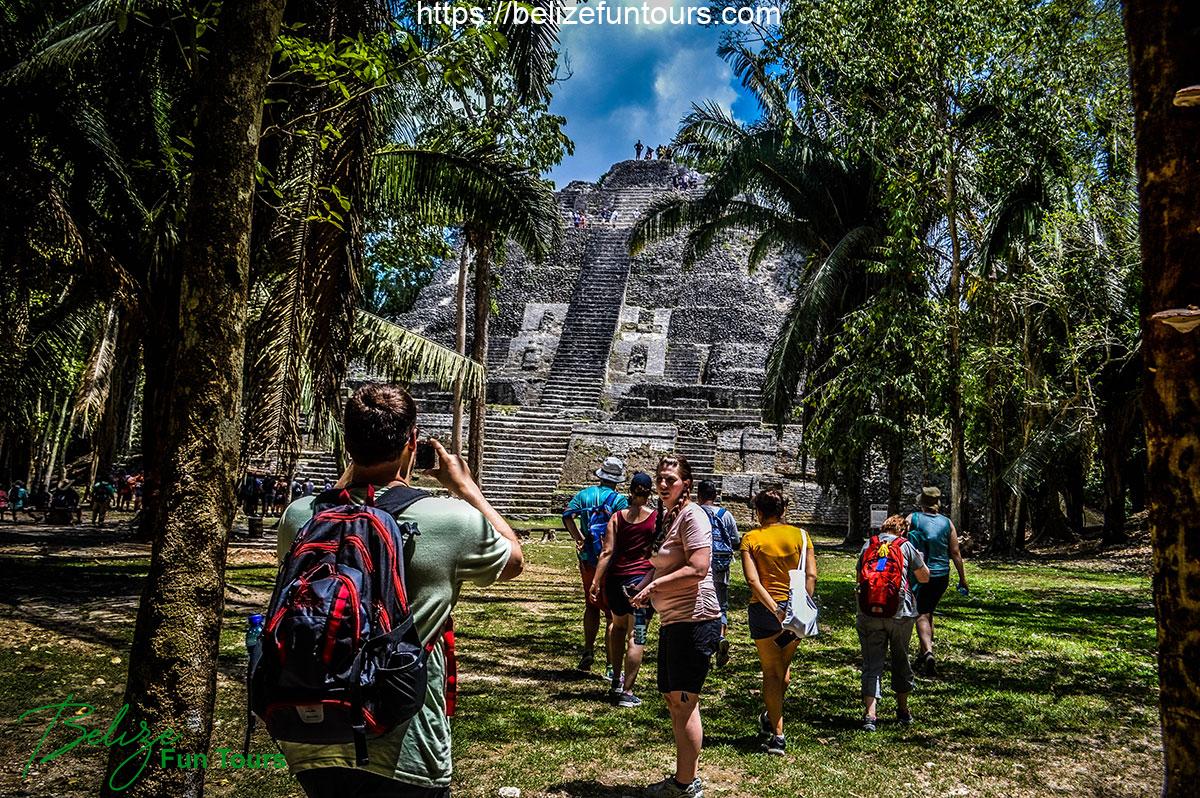
You’re standing on top of a 100-foot temple.
The jungle stretches endlessly in every direction.
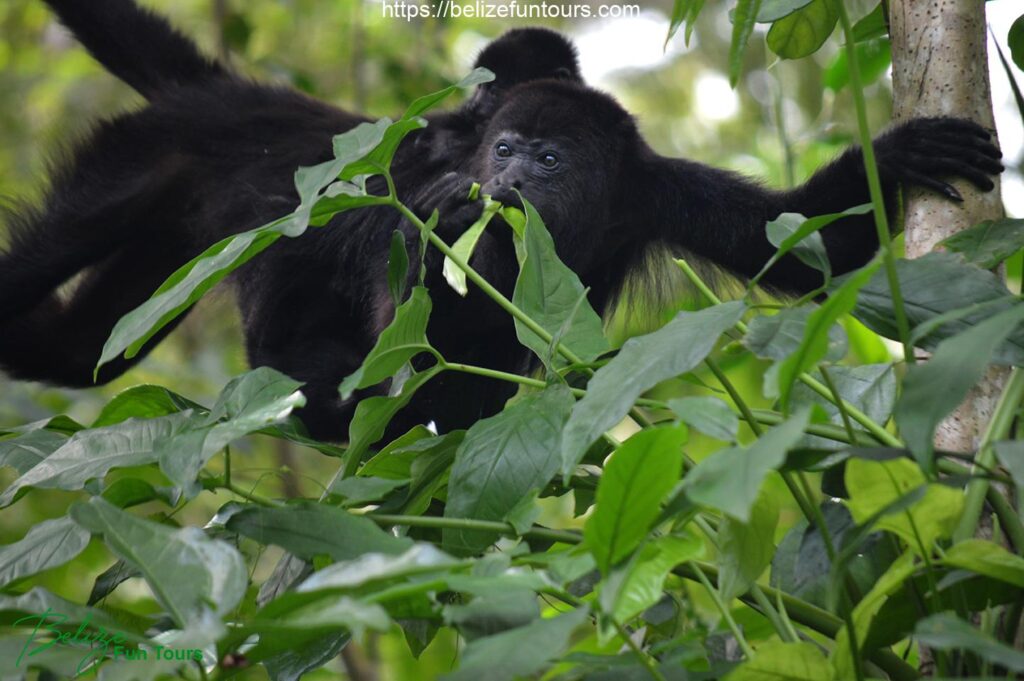
Howler monkeys are literally roaring in the distance.
And here’s the kicker – there are maybe 10 other tourists in the entire site.
Try doing that at Chichen Itza.
Lamanai isn’t just another pile of ancient stones.
It’s one of the longest continuously occupied Maya sites in Belize.
We’re talking 3,000 years of history.
That’s longer than most civilisations have existed.
The Numbers That’ll Make Your Head Spin
- Active occupation: 1500 BC to 1700 AD
- Peak population: Over 20,000 people
- Excavated structures: Only 5% (imagine what’s still buried)
- Main temples: 3 massive pyramids
- Jungle coverage: 950 acres of pristine rainforest
Getting to Lamanai: The Journey That’s Half the Fun
Here’s where most travel guides get it wrong.
They make it sound complicated.
It’s not.
From Orange Walk Town (the most popular route):
- River boat journey: 1.5 hours each way
- Cost: $50-80 USD per person
- What you’ll see: Crocodiles, exotic birds, river life
From Indian Church Village:
- Drive time: 45 minutes on dirt roads
- 4WD required in rainy season
- Better for photographers (golden hour timing)
I’ve done both routes.
The river journey is spectacular.
But if you’re serious about photography, drive in.
You’ll thank me later.
Pro Tips for the River Journey
The boat captains are storytellers.
Listen to every word.
They know where the crocodiles hang out.
They spot birds you’d never notice.
And they’ve got stories about this river that’ll give you goosebumps.
What to bring:
- Sun hat (trust me on this)
- Binoculars
- Waterproof bag for your phone
- Cash for entrance fees
The Three Temples You Can’t Miss at Lamanai Belize
Temple of the Jaguar Mask (Structure N9-56)
This is Lamanai’s poster child.
And for good reason.
The jaguar masks on either side of the stairway are massive.
13 feet tall.
Perfectly preserved.
Dating back to 100 BC.
Here’s what nobody tells you:
Climb to the top just before sunset.
The light hits those jaguar faces perfectly.
You’ll get shots that make other travellers weep with envy.
The High Temple (Structure N10-43)
At 108 feet tall, this is Lamanai’s giant.
It’s also Belize’s tallest pre-Columbian structure.
The climb is steep.
Your legs will burn.
But the view from the top?
Worth every painful step.
Photography tip: The best shots are actually on the way up.
Those jungle canopy views through the temple stones are pure magic.
The Mask Temple (Structure N9-56)
Two enormous masks flank the central staircase.
Each one is 13 feet high.
They represent the Maya sun god.
And they’re over 2,000 years old.
Story time:
When archaeologists first uncovered these masks in the 1970s, they thought they’d found the discovery of the century.
Turns out, they were right.
These are some of the best-preserved Maya masks in all of Central America.
Wildlife at Lamanai: It’s Like a David Attenborough Documentary
The ancient Maya chose this spot for a reason.
The biodiversity is insane.
What I’ve spotted on multiple visits:
- Howler monkeys (you’ll hear them before you see them)
- Spider monkeys swinging through temple ruins
- Over 400 bird species
- Crocodiles basking by the lagoon
- Jaguars (rare, but they’re there)
- Countless butterfly species
The Howler Monkey Experience
Picture this.
You’re quietly exploring a temple.
Suddenly, the jungle explodes with sound.
It’s like someone turned up nature’s volume to 11.
That’s a howler monkey troop marking their territory.
The sound carries for miles.
It’s primal.
It’s exactly what the ancient Maya heard 1,000 years ago.
Best Time to Visit Lamanai Belize
Everyone asks me this question.
The answer isn’t what you expect.
Dry Season (December to April):
- Pros: No rain, easier access, perfect weather
- Cons: More tourists, higher prices, dusty conditions
Rainy Season (May to November):
- Pros: Fewer crowds, lush jungle, dramatic skies
- Cons: Muddy conditions, afternoon showers
My honest recommendation?
Visit in November or early December.
The rains are finishing.
The jungle is still incredibly green.
Tourist numbers are manageable.
And the photography opportunities are phenomenal.
Weather Reality Check
Belize is tropical.
That means it’s always warm and humid.
Temperature range: 24-32°C year-round Humidity: 80-90% (get used to sweating) Rain: Even in dry season, brief showers happen
Pack accordingly.
Light, breathable clothing.
Good walking shoes.
Rain jacket (even if forecasts look clear).
Planning Your Lamanai Adventure: Practical Stuff
Tour Options That Actually Work
Budget Option: Group tours from Orange Walk
- Cost: $75-90USD
- Duration: Full day
- Includes: Transport, guide, lunch
- Group size: 8-15 people
Tour options form Belize City
- Daily departures from US139 per person
https://lamanai.bz/tours
Premium Option: Private tours
- Cost: $200-300 USD (for up to 4 people)
- Duration: Flexible timing
- Includes: Everything customized
- Best for: Photographers and couples
DIY Option: Self-drive to Indian Church
- Cost: Car rental + entrance fees
- Flexibility: Total control of timing
- Challenge: Navigation and local knowledge
I’ve done all three.
The private tour wins every time.
But the group tours are perfectly fine if budget matters.
What to Pack for Lamanai
Essential gear:
- Comfortable hiking boots (the terrain is uneven)
- Plenty of water (more than you think you need)
- Insect repellent (this isn’t optional)
- Sun protection (hat, sunglasses, SPF 50+)
- Cash for entrance fees and tips
Photography enthusiasts add:
- Extra batteries (humidity drains them fast)
- Lens cleaning kit
- Polarising filter for jungle shots
- Backup memory cards
The Food Situation at Lamanai
Let’s be honest about this.
Lamanai isn’t a foodie destination.
But the tour lunches are usually solid.
Typical lunch includes:
- Rice and beans (Belize’s national dish)
- Grilled chicken or fish
- Fresh fruit
- Plenty of water and soft drinks
If you’re doing a private tour, ask about lunch upgrades.
Some operators will arrange traditional Maya cuisine.
It’s worth the extra cost.
Nearby Dining in Orange Walk
Elena’s Restaurant: Best stew chicken in town Nahil Mayab: Excellent Maya cuisine Lover’s Restaurant: Great for breakfast before tours
All are walking distance from the tour departure points.
Accommodation Near Lamanai Belize
Most people stay in Orange Walk Town.
It’s the logical base for river tours.
Budget options:
- Hotel de la Fuente: Clean, excellent rooms, $50/night free breakfast.
- St. Christopher’s Hotel: Mid-range, good breakfast
Remote options:
- Lamanai Outpost Lodge: On-site accommodation (book months ahead)
- Lamanai Landings
The Lamanai Outpost Lodge Experience
This is the holy grail of Lamanai accommodation.
You literally stay inside the archaeological reserve.
Wake up to howler monkeys.
Walk to the temples before anyone else arrives.
But here’s the catch:
It’s expensive ($300+ per night).
Books up fast.
And it’s quite rustic.
Think eco-lodge, not resort.
Photography Tips for Lamanai
This place is a photographer’s paradise.
But it requires strategy.
Golden Hour Magic
Best morning shots: 6:30-8:00 AM
- Mist rising from the lagoon
- Soft light on temple stones
- Wildlife most active
Best evening shots: 3:00 to 5:00 PM
- Dramatic shadows on pyramids
- Jungle canopy backlit
- Sunset colours reflecting in water
Composition Ideas That Work
Wide shots:
- Temples emerging from jungle canopy
- River reflections during boat journey
- Panoramic views from High Temple
Detail shots:
- Jaguar mask close-ups
- Ancient Maya carvings
- Tropical flora growing through ruins
Wildlife photography:
- Howler monkeys in temple trees
- Birds perched on ancient stones
- Crocodiles during river journey
Camera Settings for Jungle Conditions
The jungle is dark.
Your camera will struggle.
My go-to settings:
- ISO: 800-1600 (modern cameras handle this well)
- Aperture: f/5.6-f/8 (sharp enough, fast enough)
- Shutter: 1/125s minimum (handheld with stabilisation)
Shoot in RAW.
You’ll need the editing flexibility.
Cultural Significance of Lamanai
This isn’t just a tourist attraction.
It’s a sacred site.
The name “Lamanai” means “submerged crocodile” in Yucatec Maya.
And it’s still spiritually significant to modern Maya communities.
Respecting the Site
Do:
- Stay on marked paths
- Listen respectfully to guides
- Ask before photographing locals
- Leave only footprints
Don’t:
- Climb on fragile structures
- Remove anything (not even a small stone)
- Make loud noises that disturb wildlife
- Touch ancient carvings
The Living Culture Connection
Modern Maya communities still live nearby.
They work as guides, boat captains, and site caretakers.
Their stories aren’t ancient history.
They’re living tradition.
Support local communities by:
- Hiring local guides
- Buying handicrafts from artisans
- Eating at family-run restaurants
- Tipping fairly
Beyond Lamanai: Making the Most of Your Belize Adventure
Once you’ve experienced Lamanai, you’ll want more.
Belize has layers.
Nearby attractions worth combining:
- Rio Bravo Conservation Area (pristine rainforest)
- Crooked Tree Wildlife Sanctuary (birdwatcher’s paradise)
- Community Baboon Sanctuary (black howler monkey conservation)
- Orange Walk Town markets (authentic local life)
Multi-Day Itinerary Ideas
3-Day Northern Belize Explorer:
- Day 1: Lamanai full day tour
- Day 2: Rio Bravo and birding
- Day 3: Community Baboon Sanctuary
5-Day Cultural Immersion:
- Day 1-2: Lamanai with overnight at Outpost Lodge
- Day 3: Mennonite communities tour
- Day 4: Traditional Maya village experience
- Day 5: Orange Walk cultural sites
Common Mistakes Visitors Make at Lamanai
Learn from other people’s errors.
Mistake #1: Wearing white clothing
- The jungle will stain it permanently
- Insects are attracted to light colours
- Stick to earth tones
Mistake #2: Underestimating the physical demands
- Temples are steep and slippery
- Jungle humidity is exhausting
- Bring more water than you think you need
Mistake #3: Rushing the experience
- This isn’t a checkbox destination
- Spend time absorbing the atmosphere
- The magic happens when you slow down
Mistake #4: Ignoring the wildlife
- Some people focus only on ruins
- The biodiversity is equally spectacular
- Bring binoculars and patience
What I Wish Someone Had Told Me
My first Lamanai visit was good.
My fifth was transcendent.
The difference?
I stopped treating it like a tourist attraction.
I started experiencing it as a living archaeological wonder.
The mindset shift that changes everything:
Don’t just look at the temples.
Imagine the people who built them.
Picture the ceremonies that happened here.
Feel the weight of 3,000 years of continuous human presence.
That’s when Lamanai stops being a day trip.
And becomes a pilgrimage.
Frequently Asked Questions About Lamanai Belize
Q: How long do you need at Lamanai? A: Minimum 4-6 hours for the main sites. Full day tours typically run 8-10 hours including travel time. Photography enthusiasts should plan for longer.
Q: Is Lamanai suitable for children? A: Yes, but consider the physical demands. Temple climbing can be challenging for small children. The boat journey is usually a hit with kids.
Q: Can you visit Lamanai independently without a tour? A: Yes, you can drive to Indian Church Village and hire a local guide there. However, the river approach requires joining a tour or chartering a private boat.
Q: What’s the entrance fee for Lamanai? A: $10 BZD (about $5 USD) for foreigners. This is in addition to tour costs and is paid on arrival.
Q: Are there facilities like toilets and food at the site? A: Basic toilet facilities are available. Most tours include lunch. Bring water as buying options are limited on-site.
Q: How does Lamanai compare to other Maya sites in Belize? A: Lamanai is less excavated but more atmospheric than Caracol or Xunantunich. The jungle setting and wildlife make it unique.
Q: Is it safe to visit Lamanai? A: Very safe. Standard precautions apply (stay hydrated, watch your step on temples, follow guide instructions). The boat journey is also very safe with experienced captains.
Q: Can you see crocodiles during the river journey? A: Usually yes, especially during dry season when they bask on riverbanks. They’re American crocodiles and generally avoid human interaction.
Q: What’s the best camera equipment for Lamanai? A: A versatile zoom lens (24-200mm equivalent), polarising filter, and extra batteries. The jungle conditions can be challenging for gear.
Q: Do you need special vaccinations for Lamanai? A: No specific requirements, but general tropical disease precautions apply. Consult your doctor about routine vaccinations and malaria prophylaxis.
Why Lamanai Belize Deserves Your Precious Holiday Time
Here’s my final thought.
In a world of Instagram-famous tourist traps, Lamanai is the real thing.
It’s not perfectly manicured.
It’s not designed for easy consumption.
It demands something from you.
Physical effort to climb those temples.
Mental space to appreciate the history.
Emotional openness to connect with something ancient.
But when you give it what it asks for?
Lamanai gives back tenfold.
You’ll leave with photos that make your friends jealous.
Stories that sound too incredible to be true.
And a deep appreciation for what humans can accomplish.
That’s why Lamanai Belize isn’t just another Maya ruin.
It’s a reminder that some experiences can’t be rushed, manufactured, or replicated.
They can only be earned.
And trust me, this one is worth every bit of effort it takes to get there.
Share
Related Posts
Stay Informed With the Latest & Most Important News

Previous Post
Next Post
Previous Post
Next Post
DonationsAdvertisement
 Loading Next Post...Scroll to TopPopular Now
-
 01Discover Belize’s Hidden Gem – Cockscomb Basin Wildlife Sanctuary
 -
 02The Community Baboon Sanctuary: Unmasking the Primate Haven
 -
 03Belize All-Inclusive Resorts: Your Ultimate Guide to Paradise
 -
 04Xunantunich
 -
 05The Belize Barrier Reef: A UNESCO World Heritage Site
 -
 06The Best Time to Visit Belize: A Comprehensive Guide
 -
 07Caracol Belize
- Activities/Tours
- Activities/Tours